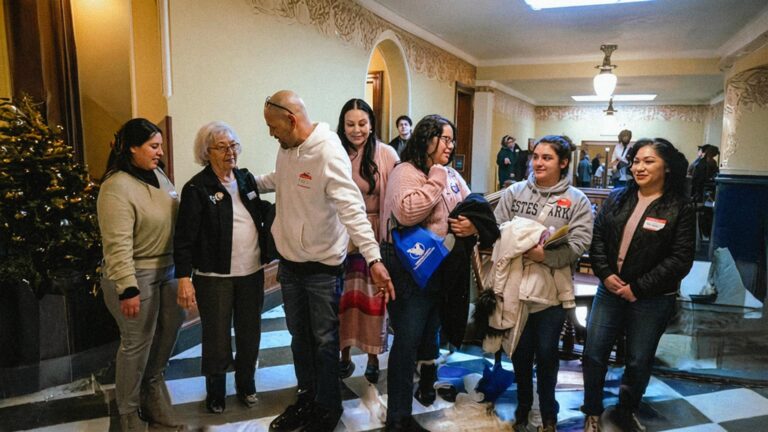
The demographic reality of Cheyenne, Wyoming, is shifting, and with that shift comes a profound responsibility to uphold the promise of our state’s name. Cheyenne has long been more diverse than the rest of Wyoming, currently maintaining a diversity index of approximately 42.2%. While the state at large remains predominantly white, the minority population—led by a vibrant Hispanic community that comprises nearly 17% of our residents—is the primary engine of our demographic vitality. Between 2020 and 2024, the minority population in Wyoming grew by nearly 9%, contributing three-fourths of the state’s total population growth. In an era where many rural states face stagnation, Cheyenne thrives precisely because it is a multicultural hub. For Juntos Wyoming, taking care of these communities is not merely a matter of charity; it is an act of institutional defense for the city itself.
From a social and political perspective, the well-being of our minority neighbors is inextricably linked to the health of our public institutions. When we invest in Equity and protection for marginalized groups, we are securing the social fabricthat prevents the erosion of trust in our local systems. Juntos Wyoming’s philosophy of Community Priority recognizes that a city cannot function in harmony if a significant portion of its residents lives in fear of systemic inequality. Our Warrior Spirit (Espíritu Guerrero) is directed at ensuring that every resident, regardless of their origin, can participate fully in the civic life of Cheyenne. This requires a proactive approach to social infrastructure, where bilingual services, educational workshops, and legal clinics are not viewed as “extras” but as essential components of a stable, modern capital city.
The historical timeline of Juntos Wyoming shows that we have been building this supportive architecture since 2016 [About.jpg]. From our first May Day demonstration to the 2024 expansion into mental health services, we have recognized that minorities are the “backbone of our communities”. Taking care of these residents means more than just protecting them from unjust policies like federal overreach; it means ensuring they have the tools to lead. By fostering Solidarity, we move beyond simple allyship toward a model of “accomplices” where we collectively protect the dignity of our neighbors. When Cheyenne’s minorities are well-supported, they don’t just exist—they innovate, they organize, and they strengthen the democratic roots of our community.
In the face of rising political divisiveness, we must remain committed to the idea of Intersectionality, acknowledging that the struggles for racial, economic, and social justice are one and the same. The future of Cheyenne depends on our ability to embrace this communal health. As we look toward 2026 and beyond, Juntos will continue to advocate for a city that lives up to its Equality State title by ensuring that its most industrious and diverse residents are protected, celebrated, and empowered.